
Many businesses invest heavily in building a website but overlook one crucial aspect—website maintenance. A website is not a one-time project; it requires continuous updates, monitoring, and improvements to perform effectively. Without proper maintenance, even the most beautifully designed website can become slow, outdated, and vulnerable.
Professional website maintenance services ensure that your website stays secure, functional, and optimized for performance, helping your business maintain a strong online presence.
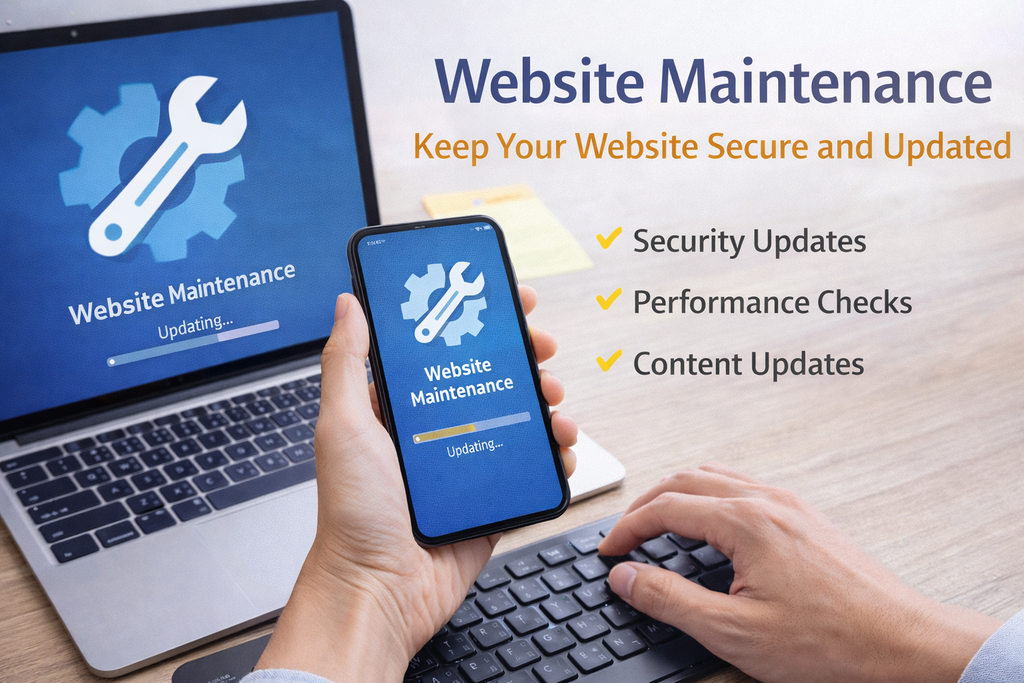
What is Website Maintenance?
Website maintenance refers to the process of regularly checking, updating, and optimizing a website to ensure it runs smoothly. It includes updating content, fixing bugs, improving speed, and maintaining security.
A reliable website maintenance service ensures that your website remains relevant and efficient in a constantly evolving digital environment.
Why Website Maintenance is Important
Ignoring can lead to serious issues such as slow performance, broken links, and security vulnerabilities. A well-maintained website performs better, ranks higher on search engines, and provides a better user experience.
Businesses that invest in regular website support and maintenance gain a competitive advantage by keeping their website updated and optimized.
Key Components of Website Maintenance
A professional plan includes several important components.
Security Updates
Security is one of the most critical aspects. Regular updates help protect your website from hackers and malware.
A secure website maintenance service ensures that all plugins, themes, and software are up to date.
Performance Optimization
Website speed plays a crucial role in user experience and SEO. Regular includes optimizing images, cleaning code, and improving loading speed.
A fast website improves engagement and reduces bounce rates.
Content Updates
Updating content is an essential part. Fresh content keeps your audience engaged and improves search engine rankings.
A good website maintenance strategy includes updating blogs, services, and company information regularly.
Backup Management
Regular backups are a vital part. In case of data loss or technical issues, backups ensure that your website can be restored quickly.
A professional ensures secure and reliable backups.
Backup Management
Regular backups are a vital part. In case of data loss or technical issues, backups ensure that your website can be restored quickly.
A professional ensures secure and reliable backups.
Benefits of Website Maintenance
Investing offers multiple benefits.
Improved Security
Regular updates protect your website from threats.
Better Performance
Optimized websites load faster and perform better.
Higher SEO Rankings
Search engines prefer updated and well-maintained websites.
Enhanced User Experience
A smooth and functional website keeps users engaged.
Increased Conversions
A well-maintained website builds trust and generates leads.
Types of Website Maintenance Services
Different businesses require different types.
Routine includes updates, backups, and monitoring.
Technical Maintenance
Technical focuses on fixing bugs, improving performance, and ensuring compatibility.
Content Maintenance
Content-focused involves updating text, images, and blog posts.
Security Maintenance
Security-focused ensures protection against cyber threats.
Who Needs Website Maintenance?
Every website requires, regardless of size or industry.
Businesses that benefit from regular maintenance include:
- Ecommerce websites
- Corporate websites
- Blogs and content platforms
- Service-based businesses
- Educational websites
Cost of Website Maintenance
The cost of varies depending on the complexity of the website.
Factors affecting cost include:
- Website size
- Number of updates required
- Security requirements
- Hosting and server management
Businesses should view maintenance as an investment rather than an expense.
How to Choose the Right Website Maintenance Service
Choosing the right provider is crucial.
Consider the following:
- Experience and expertise
- Service offerings
- Pricing transparency
- Response time
- Customer support
Common Website Maintenance Mistakes
Many businesses neglect, leading to problems.
Common mistakes include:
- Ignoring updates
- Not taking backups
- Poor security practices
- Lack of monitoring
Avoiding these mistakes ensures better website performance.
Future Trends in Website Maintenance
Key trends include:
- AI-based monitoring
- Automated updates
- Advanced security systems
- Performance analytics
These trends make more efficient and reliable.
Why Website Maintenance is a Long-Term Strategy
it is an ongoing process. Regular updates and improvements ensure that your website remains relevant and competitive.
A well-maintained website supports long-term business growth.
The Human Side of Website Maintenance
Effective focuses on user experience. Websites should be easy to navigate, fast, and visually appealing.
Human-centered maintenance ensures that visitors have a positive experience.
A Proven Website Maintenance Process
A professional provider follows a structured process.
Step 1 – Website audit
Step 2 – Update and optimization
Step 3 – Testing
Step 4 – Monitoring
Step 5 – Reporting
This ensures consistent performance and improvement.
Final Thoughts
Ignoring can cost your business valuable opportunities. A well-maintained website ensures security, performance, and user satisfaction.
Investing in professional helps businesses stay competitive, improve rankings, and generate more leads.
Your website is not just a digital asset—it is a powerful tool that requires continuous care to deliver results.