Mobile App Development: The Complete Guide for Business Owners in 2026
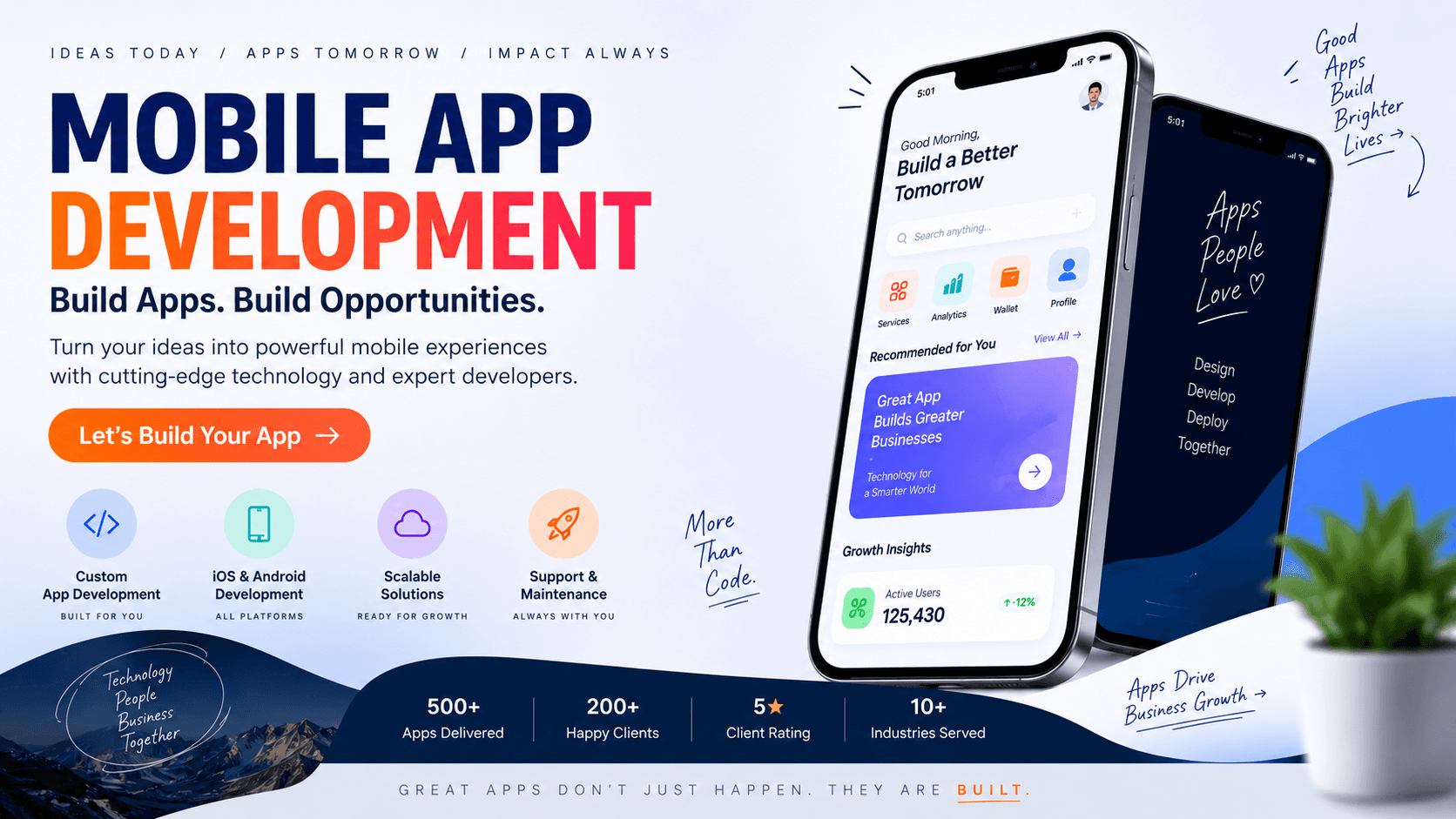
Mobile app development is the process of building software applications that run on smartphones and tablets. It turns your business idea into a practical tool your customers use every day, helping you connect with them directly, build loyalty, and unlock new revenue streams. There are three main types of apps to consider: native apps for top performance, hybrid apps for cost-effective reach, and web apps for quick, budget-friendly launches. With customers spending more time on their phones than ever, investing in mobile app development is a smart move for any business ready to grow, stand out from competitors, and stay ahead.
Every day, billions of people reach for their phones before they even get out of bed. That single habit has reshaped how businesses reach customers, sell products, and build loyalty. If you run a business and haven't invested in an app yet, you're leaving money on the table.
Mobile app development is no longer a luxury reserved for tech giants. It's a practical growth tool for companies of every size. This guide breaks down everything you need to know, from the basics to the trends shaping the industry right now.
Here's what you'll learn:
What mobile app development actually involves
The main types of apps and how to choose the right one
A step-by-step look at the development process
Popular frameworks and what they cost you in time and money
Real business benefits and the trends worth watching
What Is Mobile App Development?
Mobile app development is the process of building software applications that run on smartphones and tablets. These apps can live on your device, pull data from the internet, or do both.
The work spans everything from writing code to designing screens people actually enjoy using. A skilled team handles planning, design, coding, testing, and ongoing support.
Key takeaway: Mobile app development turns your business idea into a functional tool your customers carry in their pockets all day.
At its core, the goal is simple. You want to solve a problem or fill a need for your users. Whether that's ordering food, tracking fitness, or managing finances, the app becomes the bridge between your business and your audience.
Types of Mobile Apps: Native, Hybrid, and Web
Not all apps are built the same way. Picking the right type affects your budget, timeline, and performance. Let's look at the three main options.
Native Apps
Native apps are built for one specific platform, either iOS or Android. Developers use platform-specific languages to create them.
Best performance and speed
Full access to device features like the camera and GPS
Higher development cost since you build separately for each platform
Hybrid Apps
Hybrid apps use a single codebase that works across both platforms. They wrap web code inside a native shell.
Faster and cheaper to build than native
One codebase for iOS and Android
Slightly weaker performance for complex tasks
Web Apps
Web apps run in your phone's browser. They don't need to be downloaded from an app store.
Lowest development cost
No installation required
Limited access to device hardware and offline features
Choosing between these depends on your goals and your budget. Here's a quick comparison to make the decision easier.
App Type | Best For | Typical Cost Range |
|---|---|---|
Native | Performance-heavy apps, gaming, complex features | $$$ (Highest) |
Hybrid | Startups and businesses wanting reach on a budget | $$ (Moderate) |
Web App | Simple tools, quick launches, tight budgets | $ (Lowest) |
Key takeaway: Native gives you top performance, hybrid balances cost and reach, and web apps offer the fastest, cheapest entry point.
The Mobile App Development Process, Step by Step
A successful app follows a clear roadmap. Skipping stages almost always leads to bugs, delays, and budget overruns. The mobile app development process usually breaks into five phases.
1. Planning and Research
This is where ideas meet reality. You define your goals, study your competitors, and identify your target users.
Clarify the problem your app solves
Research the market and rival apps
Set a realistic budget and timeline
Strong planning saves you from expensive changes later. Spend time here, and the rest of the journey gets smoother.
2. Design
Design covers how your app looks and feels. Good design keeps users coming back, while poor design sends them running.
Designers create wireframes first, then move to polished mockups. The focus is on smooth navigation and clean visuals. A confusing interface will sink even the best idea.
3. Development
Now the actual coding begins. Developers build the front end, which users see, and the back end, which handles data and logic.
Work is often split into smaller sprints. This lets your team test features as they go rather than waiting until the end.
4. Testing
Before launch, every feature gets checked. Testing catches crashes, slow load times, and security gaps.
Functionality testing to confirm features work
Performance testing under heavy use
Security testing to protect user data
Thorough testing protects your reputation. One buggy launch can cost you thousands of downloads.
5. Launch and Maintenance
Finally, your app goes live on the App Store or Google Play. But the work doesn't stop there.
You'll release updates, fix issues, and add features based on user feedback. Maintenance keeps your app relevant and secure over time.
Key Technologies and Frameworks
The tools your team uses shape your app's speed, cost, and quality. Some frameworks let you build for both platforms at once, saving serious time and money.
React Native
Built by Meta, React Native lets developers write one codebase for iOS and Android. It's popular for its speed and huge community support.
Flutter
Google's Flutter is known for beautiful interfaces and fast performance. It uses a single codebase and renders smooth, custom designs.
Swift
Swift is Apple's language for iOS apps. It delivers top performance and taps into every iPhone feature.
Kotlin
Kotlin is the go-to language for Android development. It's clean, modern, and fully supported by Google.
Key takeaway: Cross-platform tools like React Native and Flutter cut costs, while native languages like Swift and Kotlin deliver peak performance.
Choosing the right framework often comes down to your priorities. If speed to market matters most, cross-platform wins. If you need flawless performance, native is worth the extra investment.
Benefits of Mobile App Development for Businesses
Why should you invest in an app at all? The returns go far beyond having a shiny icon on someone's screen. Here are the biggest wins.
Direct customer connection. An app puts your brand in your customer's hand around the clock. Push notifications let you reach them instantly with offers and updates.
Stronger brand loyalty. Apps create a smoother, more personal experience than a website. That convenience keeps people coming back.
New revenue streams. From in-app purchases to subscriptions, apps open fresh ways to earn.
Boost sales through faster checkout
Collect valuable data on customer behavior
Stand out from competitors who rely only on websites
Better customer insights. Apps track how people use your product. That data helps you make smarter decisions and improve your service.
For many companies, the real question isn't whether to build an app. It's how quickly they can get one to market before rivals do.
Current Trends Shaping Mobile App Development
The industry moves fast. Staying current gives your business an edge and keeps your app from feeling dated. These are the trends driving change right now.
AI Integration
Artificial intelligence has become a standard feature, not a novelty. Apps now use AI for personalized recommendations, chatbots, and smart search.
Tailored content for each user
Automated customer support
Predictive features that anticipate user needs
AI-powered apps feel personal, and personal experiences drive loyalty.
5G Connectivity
Faster networks change what apps can do. With 5G, apps load quicker and handle richer content without lag.
This opens doors for high-quality video, real-time gaming, and seamless streaming. Users expect speed, and 5G delivers it.
AR and VR
Augmented and virtual reality are moving beyond gaming. Retailers now let shoppers preview furniture at home or try on products virtually.
These immersive features boost engagement and cut return rates. They also make your brand feel innovative and forward-thinking.
IoT Connectivity
The Internet of Things links apps to smart devices. Think apps that control your thermostat, lights, or car from a single screen.
As more homes and businesses adopt smart tech, IoT apps are becoming essential tools rather than nice extras.
Key takeaway: AI, 5G, AR/VR, and IoT are reshaping what users expect, and businesses that adopt them early stand out.
How Much Does Mobile App Development Cost?
Cost is often the first question business owners ask. The honest answer is that it varies widely based on complexity.
A simple app might run a few thousand dollars, while a feature-rich platform can cost much more. Several factors shape your mobile app development cost:
Number and complexity of features
Choice of native versus cross-platform
Design requirements and custom animations
Ongoing maintenance and updates
Partnering with an experienced mobile app development company helps you get an accurate estimate. A good partner also helps you avoid costly mistakes and wasted time.
Key takeaway: Budget for both the build and the upkeep, since maintenance is an ongoing cost, not a one-time fee.
Choosing the Right Development Partner
The team you hire makes or breaks your project. A skilled partner brings technical know-how and a clear process to the table.
Look for these qualities when you search for a partner:
A strong portfolio with apps similar to yours
Clear communication and honest timelines
Solid support after launch
Transparent pricing with no hidden fees
Take your time here. The right mobile app development company becomes a long-term ally in your growth, not just a one-off vendor.
Final Thoughts
Mobile apps have moved from optional to essential. They connect you with customers, unlock new revenue, and set your brand apart in a crowded market.
The path from idea to launch involves smart planning, thoughtful design, and the right technology. When you follow a clear mobile app development process, you set your project up to succeed.
The trends are clear, and the opportunity is real. Businesses that act now will lead the market, while those that wait risk falling behind.
Ready to bring your app idea to life? Partner with an experienced team, map out your goals, and take the first step toward building something your customers will love. Your next big growth opportunity is only an app away.